Language
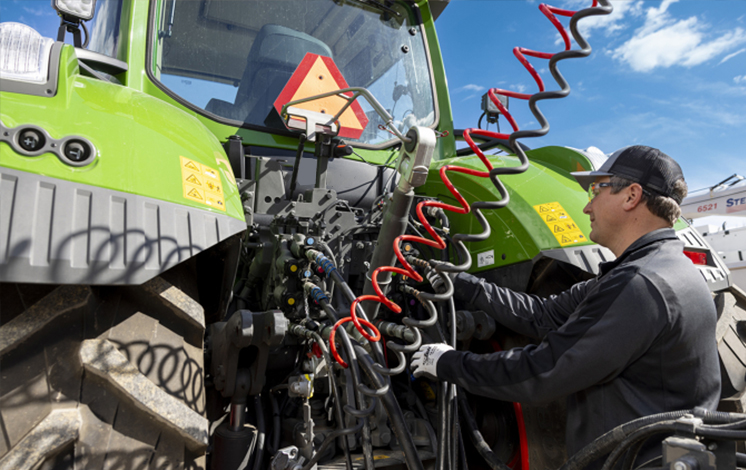
A structured maintenance program helps prevent breakdowns and keeps tractors in optimal condition. Through regular inspections, cleaning, lubrication, and adjustments, operators can extend equipment life, improve fuel efficiency, reduce costs, and maintain consistent performance. By addressing issues early, tractors can operate safely and efficiently in all conditions, maximizing productivity and long-term value.
* All maintenance work must be carried out by personnel who are professionally trained and familiar with the characteristics of the machine.
* To keep the machine in good condition and extend its service life, all maintenance must be performed strictly in accordance with the requirements specified in the user manual.
* Maintenance by unqualified personnel during the warranty period may void coverage for any resulting damage or malfunctions.
* Do not adjust factory-set safety parameters (engine, hydraulic valves, air brakes, relief pump, radiator cap), as unauthorized changes may cause damage, reduced performance, or void the warranty.
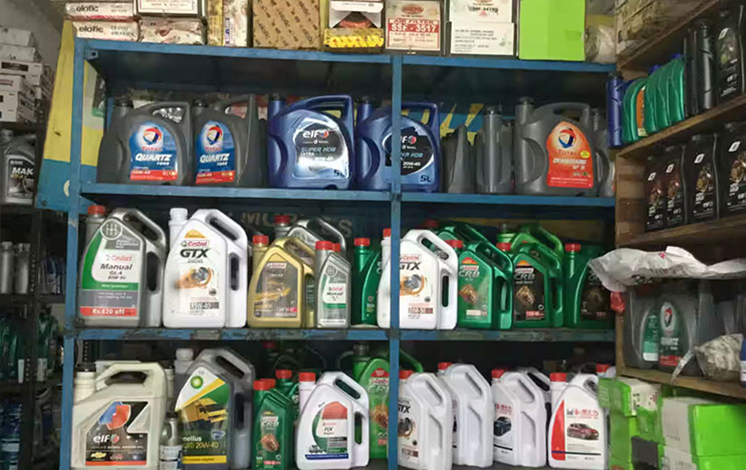
Agricultural equipment experiences friction, vibration, and exposure to oil, mud, and water, causing wear, corrosion, loose fasteners, and aging, which can reduce power, increase fuel use, accelerate wear, and lead to failures or accidents.
To prevent this, operators must follow a strict maintenance program, performing regular inspections, adjustments, cleaning, lubrication, and fastening. Timely maintenance keeps the machine in good condition, ensures safe and efficient operation, reduces fuel consumption, and prolongs equipment life.
Check your tractor’s maintenance intervals. Timely maintenance is key to extending its life and improving efficiency. Setting intervals helps users:
1. Predict annual maintenance needs, especially overhauls.
2.Plan dates to avoid conflicts with busy farming periods.
3.Prepare in advance for smoother maintenance work.
Intervals should be determined based on:
Quarterly and annual production plans (time, workload, etc.); Local conditions (tasks, climate, soil, machine specs); Machine working hours and fuel use since the last overhaul; The standard maintenance cycle for the model